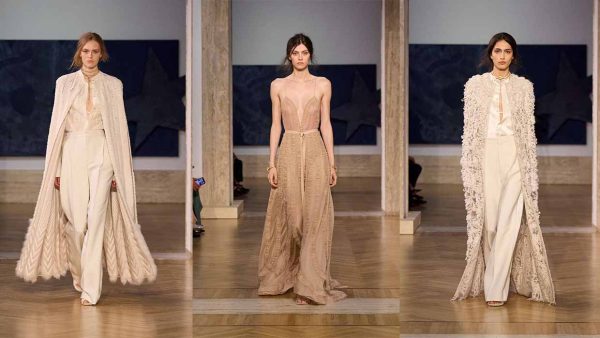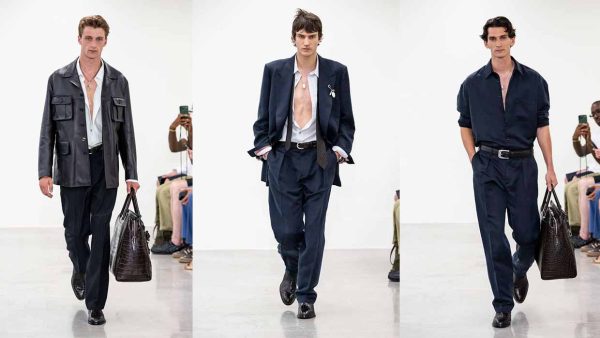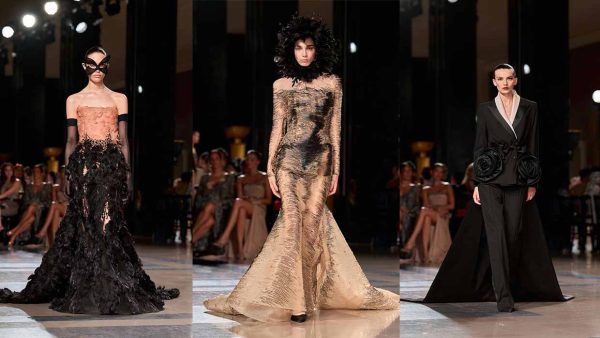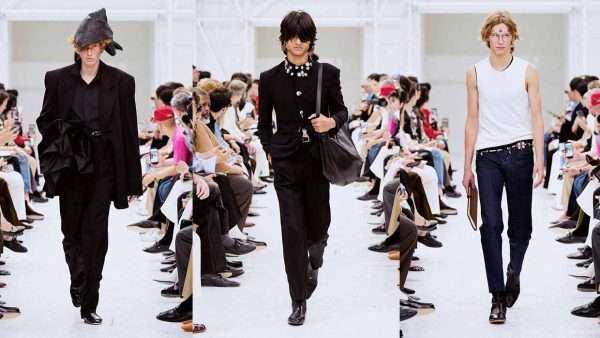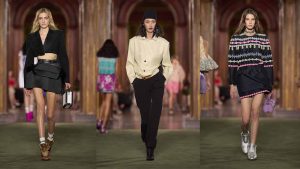
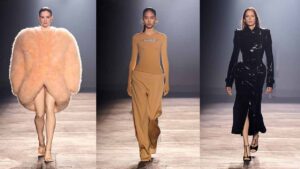
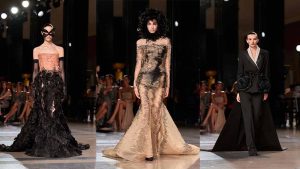
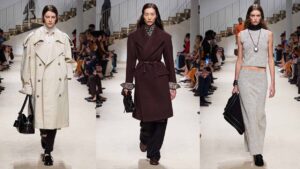

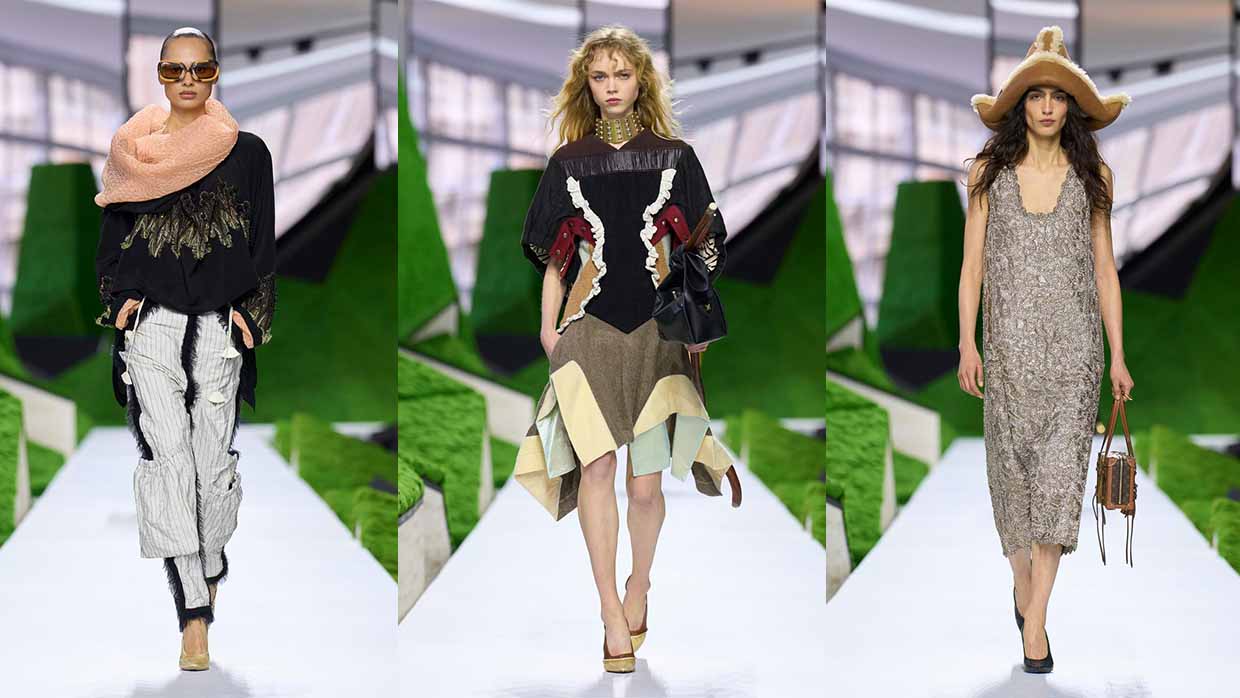
In a season where fashion looks beyond the city skyline, Louis Vuitton turns its gaze toward something far more elemental. For the Women’s Fall/Winter 2026 show, creative director Nicolas Ghesquière unveils “Super Nature,” a collection where clothing evolves as if shaped by the earth itself.
Mountains, forests, and endless plains become the silent architects of the wardrobe. Here, fashion is imagined as a twenty-first-century architecture of clothing—one that grows from instinctive human responses to climate and terrain. Garments designed for endurance, protection, and freedom transform into elevated fashion statements, reflecting the primal dialogue between humanity and the landscapes that surround us.
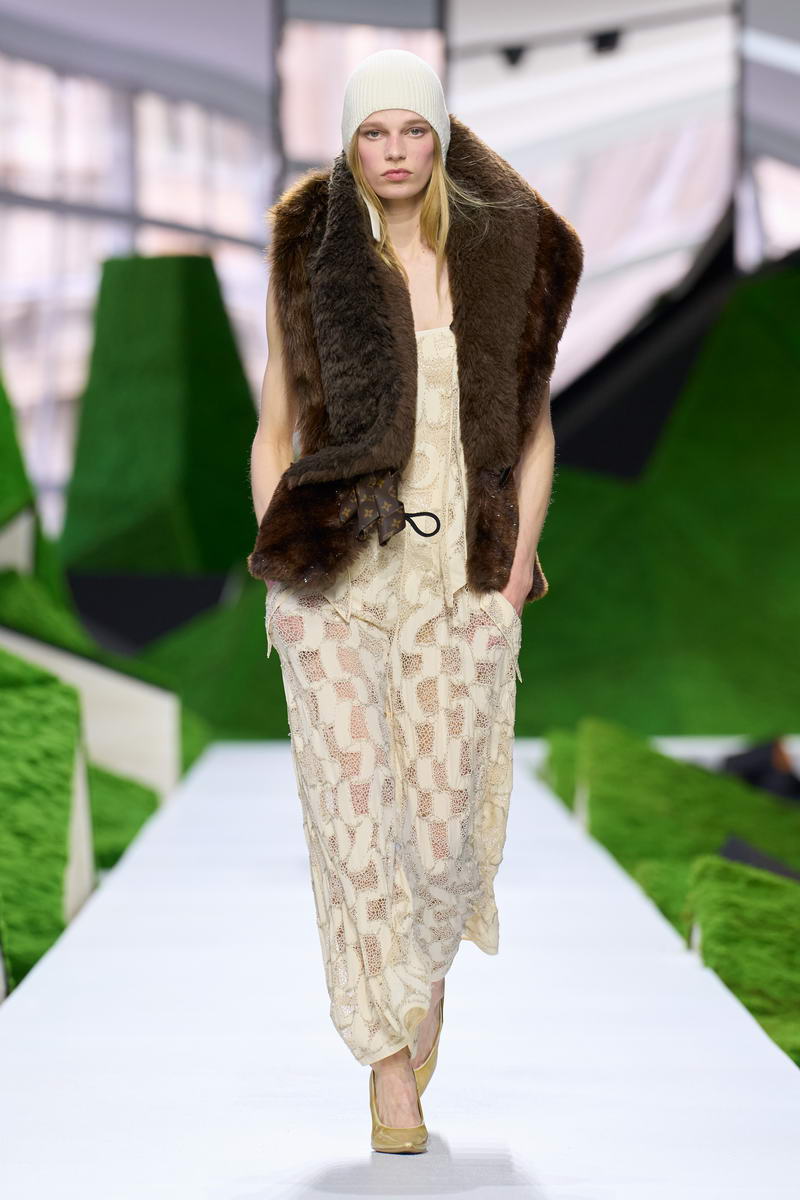
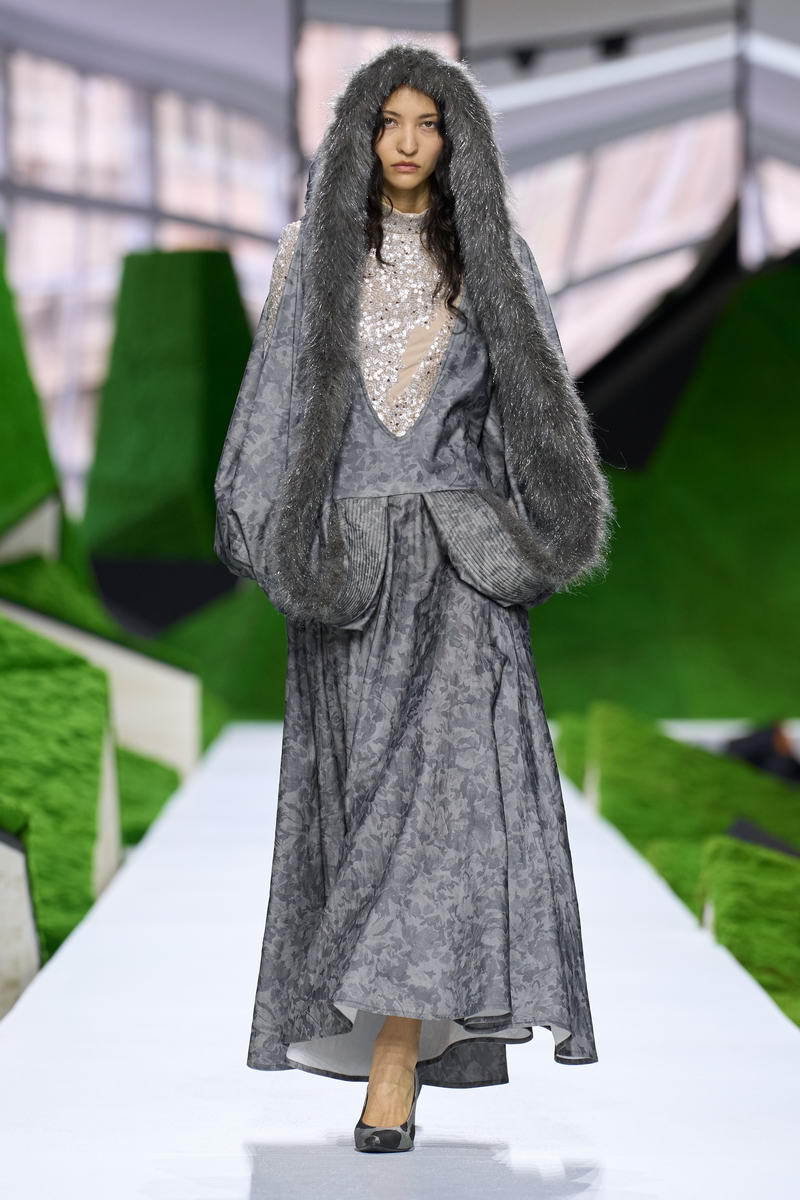
The silhouettes feel sculpted by the elements themselves. Wind, rain, and sun leave invisible signatures on exaggerated shapes and unexpected details. Like traditional costumes born from specific lands and ways of life, these garments carry echoes of belonging—of people shaped by place and time. Yet Ghesquière reimagines this heritage for a digital age, crafting what might be described as a new folklore for the future. It is not an escape from modern reality, but a poetic reflection of it.
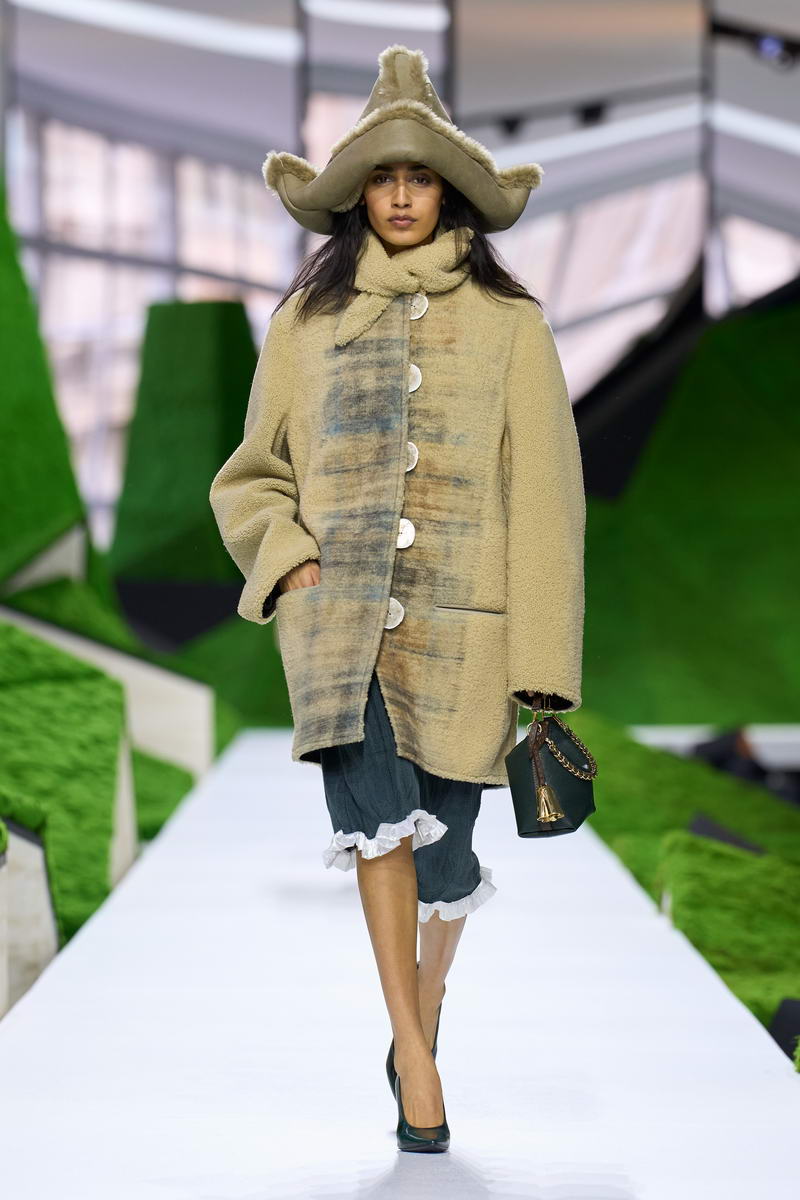
Nature leaves its imprint on every surface. Flora and fauna appear as subtle traces within the fabrics: reinvented animalier patterns woven into canvas and denim, sculpted leather flowers functioning as both ornament and armor. The collection treats clothing as a form of travel—collaging divergent materials and references to create a living topography of the body. Histories, cultures, and attitudes intertwine, forming garments that carry an inherent sense of global identity.
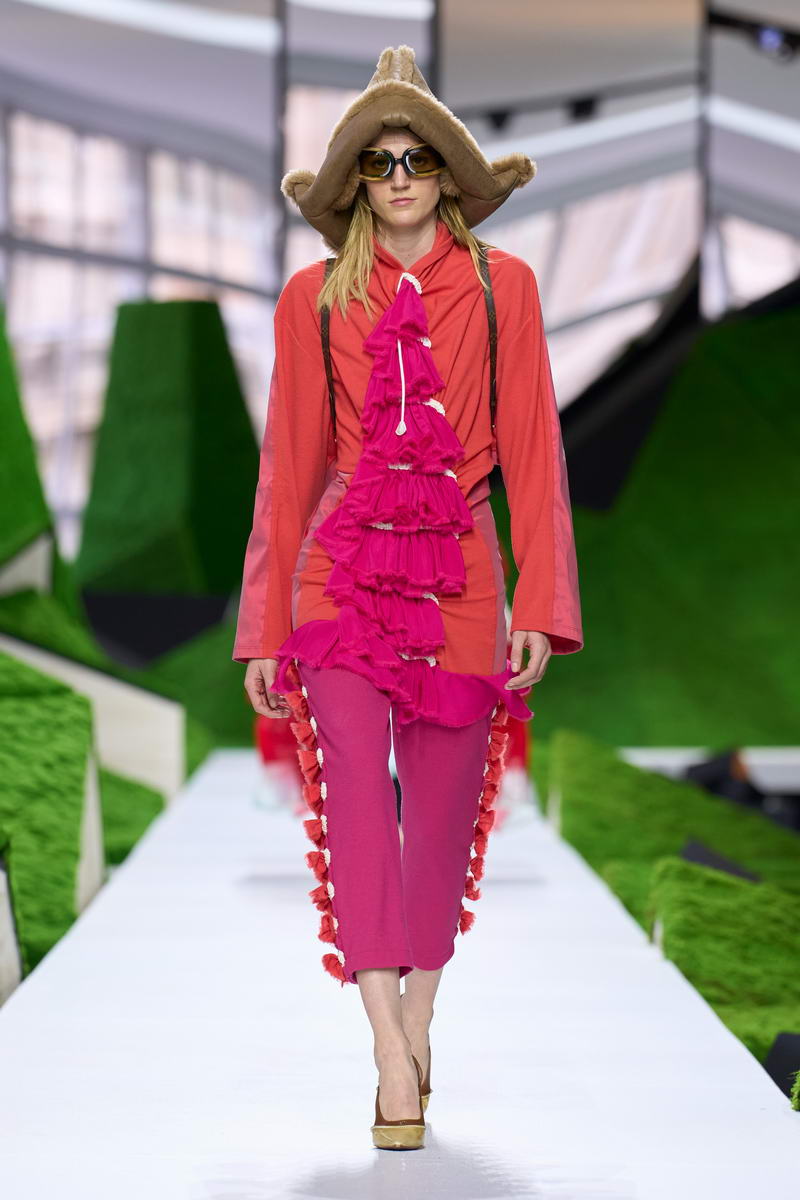
At the heart of “Super Nature” lies hyper-craft. Instead of merely imitating nature, the collection sublimates it. Technology merges with timeless artisanal skill: three-dimensional printing and innovative resins conjure materials that appear almost geological. Buttons resemble minerals, heels curve like antlers, and vegetal furs invent entirely new textures. Leather undergoes remarkable transformations—grained, grooved, and tanned to evoke the surface of wood while remaining supple and fluid. The result is surreal, almost impossible, yet unmistakably alive.
This exploration naturally extends to the house’s heritage of travel. The expertise of the brand’s malletier craftsmanship reimagines objects designed to move through the world. The iconic Noé bag, first introduced in 1932, returns to its original proportions and color—a timeless companion that seems to shift through decades while carrying the idea of home within it. Bags designed for exploration and wanderlust celebrate humanity’s eternal curiosity and our relationship with the earth.
Jewelry also travels through time. A reinterpretation of Man Ray appears as a modernist parure translated into the unmistakable language of Louis Vuitton: earrings, a ring, and a collier punctuated with the nail-heads reminiscent of a Louis Vuitton trunk. These pieces feel like artifacts from the past that have stepped confidently into the present.
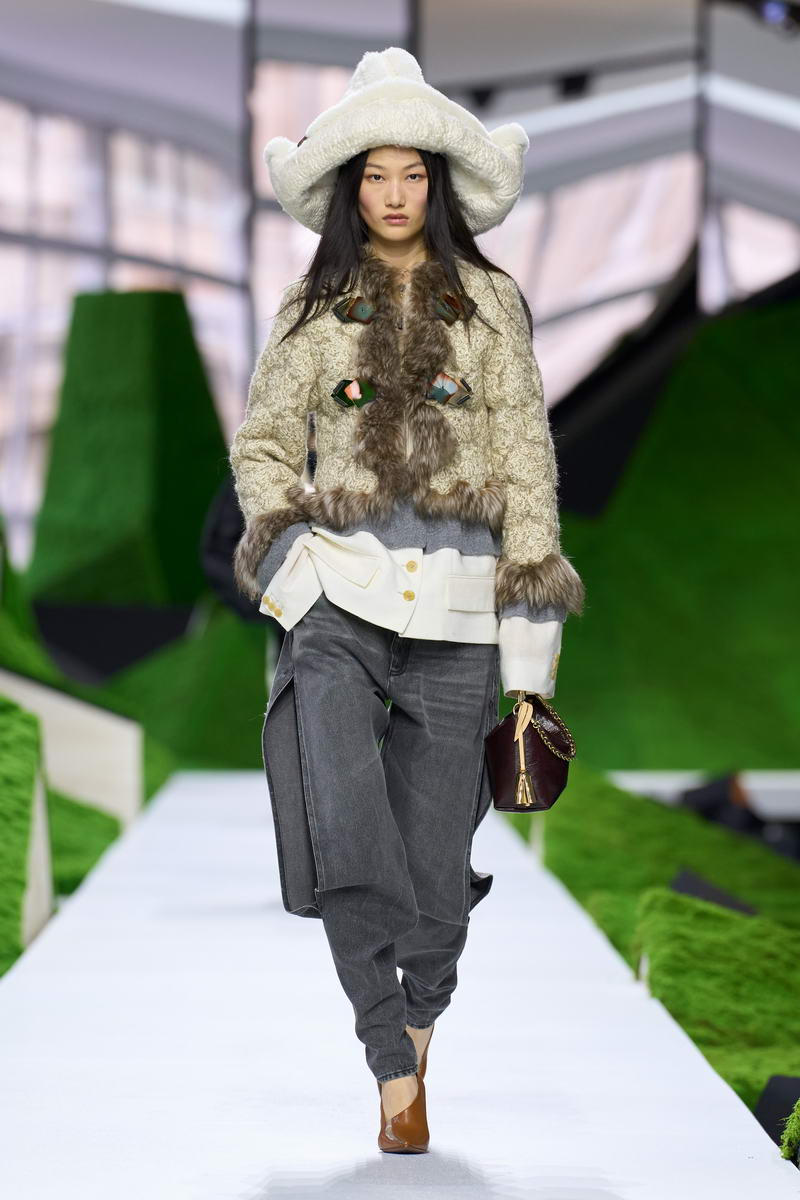
The setting completes the narrative. Inside the Cour Carrée of the Musée du Louvre, a visionary neo-landscape unfolds. Created by production designer Jeremy Hindle—known for his work on the series Severance—the environment transforms nature into abstraction, filtering it through a futuristic lens. Inside and outside dissolve into one another as models traverse a shifting pastoral tableau.
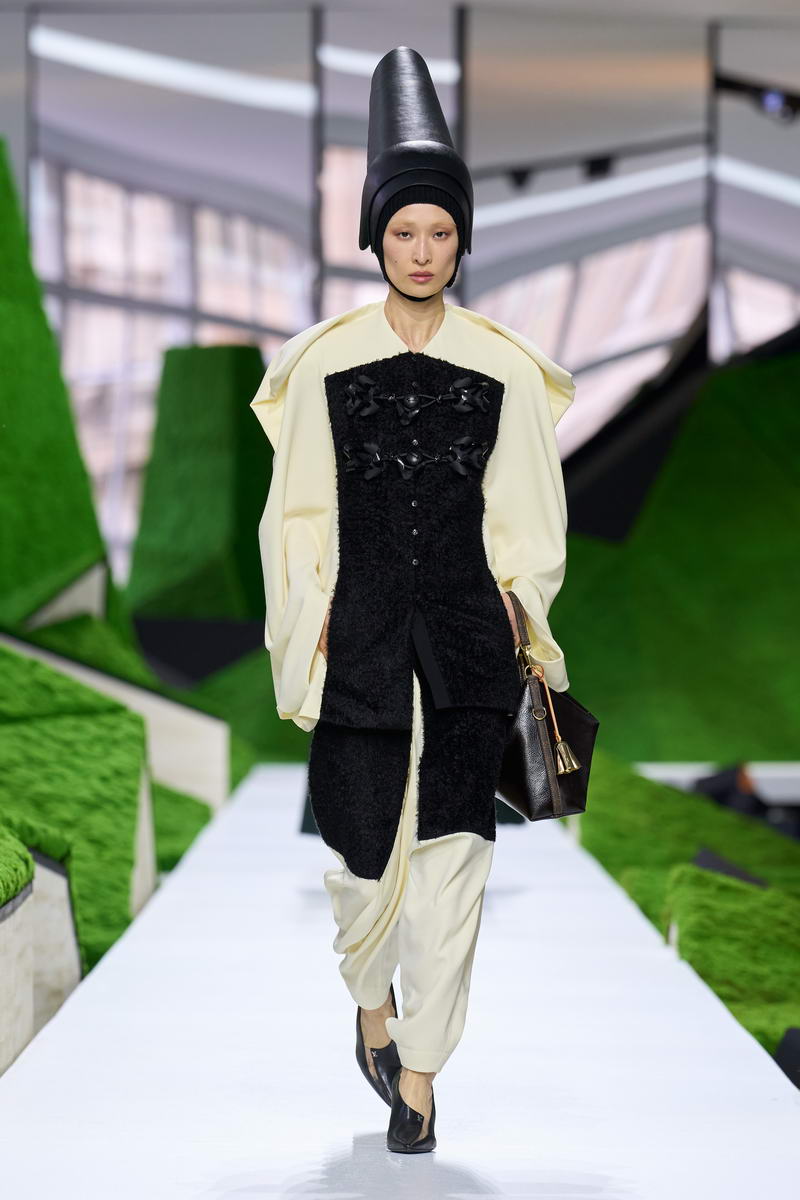
The result is cinematic and dreamlike: a living painting where fashion becomes landscape and landscape becomes story. In this sci-fi pastoral allegory, Louis Vuitton proposes a powerful idea for the future—one where humanity, technology, and nature move forward together.